12.8 V class
Residential
Power cuts, without the battery chores.
Replace a lead-acid inverter battery with LiFePO₄ and stop topping up distilled water. More usable energy per charge, a fraction of the weight, and years more service.
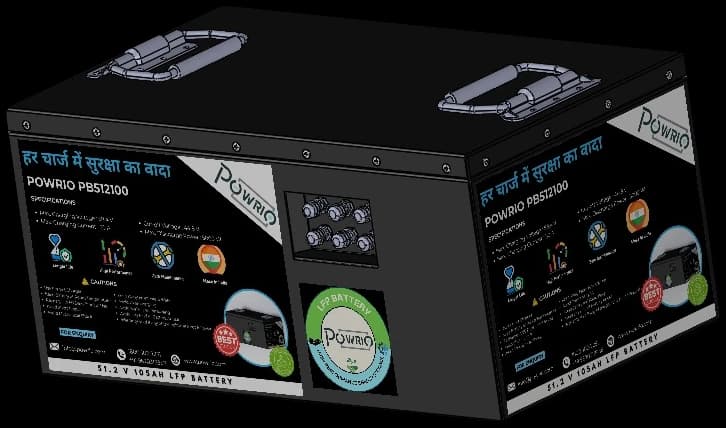
Recommended: PB128100 · PB128200 · PB512100
The problem
Why lead-acid lets homes down
A tubular lead-acid battery should only be drained about halfway if you want it to last, needs regular water top-ups, releases gas while charging and typically needs replacing after a few hundred deep cycles. Long summer outages expose all of that at once.
More usable energy
LiFePO₄ can be discharged much deeper than lead-acid without harm, so the same rated capacity keeps your fans running longer.
No maintenance
Sealed pack. No water, no acid spills, no terminal corrosion, no fumes inside the house.
A third of the weight
Easier to install on a wall stand or in a cabinet, and far easier to move.
Visible health
The built-in state-of-charge display shows remaining charge at a glance.
Sizing
Typical home backup sizing
Worked out with a single stated assumption, so you can check the numbers yourself.
Estimates assume 80% usable energy from the rated capacity. Inverter losses, temperature and load profile change real runtime — our engineers size every system before quoting.
Recommended packs
Best fits for home backup
Before you buy
A short checklist
- 1Check your inverter's battery voltage (12 V, 24 V or 48 V) and whether it has a lithium charging profile.
- 2Add up the watts of what must run during a cut, and how many hours you need.
- 3Ask your Powrio dealer to confirm charger settings during installation.
- 4Register the battery online on the day of installation to start your digital warranty.
Get a quote for home backup.
Share your load list, inverter model or project brief. Our engineers will recommend a pack and send a quote — usually within one working day.